
Gold Vermeil, Gold Plated and Sterling Silver: What’s the Difference and Why Should You Care?
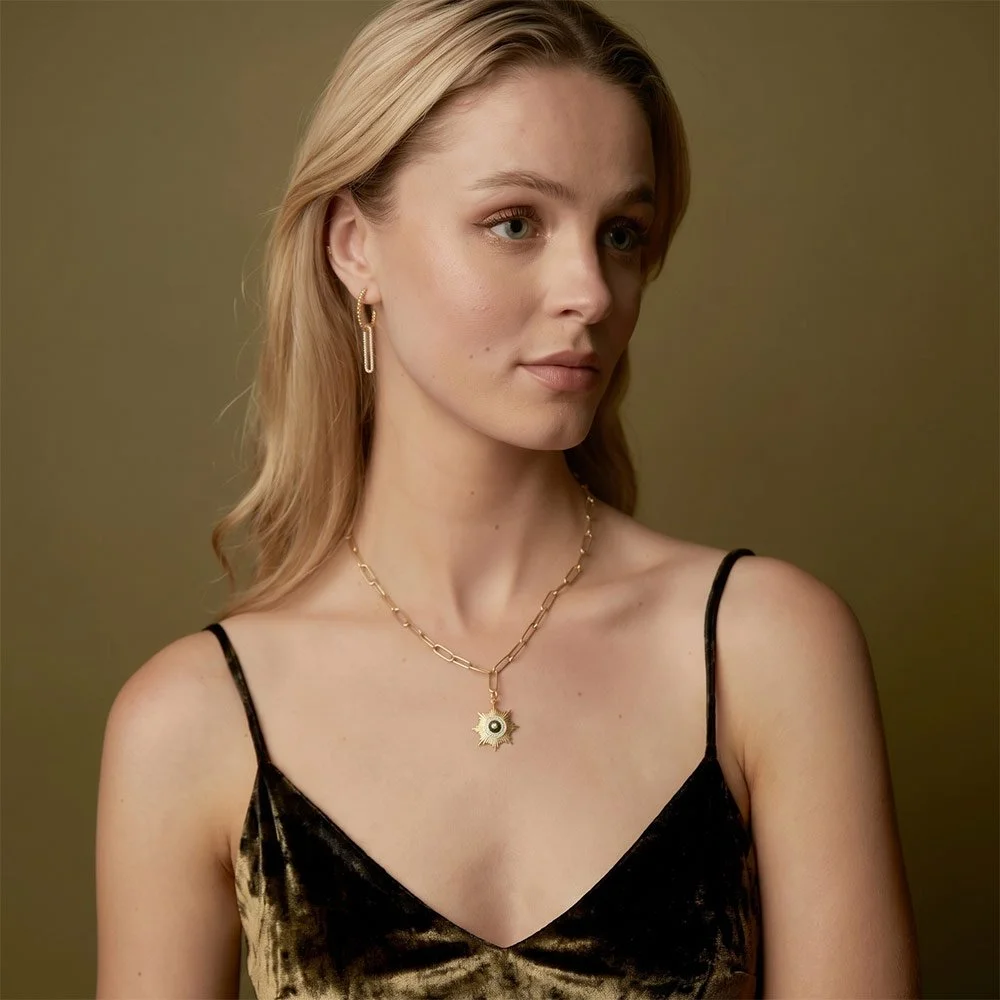
Not all jewellery is created equal. From sterling silver to gold vermeil, understanding the materials beneath the surface changes how a piece wears, lasts and feels over time.
A closer look at the precious metals behind the Kohatu + Petros collection — and why thoughtful materials matter.
I hand-select every gemstone that comes into the Kohatu + Petros collection. I look closely at each stone — the tone, the texture, the natural character — and I imagine the woman who will wear it.
That level of care runs through every decision we make, including the one that matters long before a design is finished: being honest about materials.
Sterling silver, gold vermeil and gold-plated jewellery are not the same thing. The difference affects how a piece feels against your skin, how it wears over time, and whether it will still be something you reach for years from now.
I believe every woman who buys jewellery deserves to understand exactly what she’s investing in. If you’ve ever wondered what you’re actually buying when you see terms like gold vermeil or gold plated, this guide is for you.
Gold Vermeil
Gold vermeil (pronounced ver-may) is high-quality sterling silver finished with a substantial layer of real gold.
To qualify as genuine vermeil, the gold layer must be at least 2.5 microns thick and a minimum of 10 karats. Reputable brands will meet that standard; good ones will often exceed it.
Vermeil brings a warmth and richness that feels considered, enduring and quietly luxurious. The colour has a depth that sits differently from standard gold plating, and because the base is sterling silver, there is precious metal beneath the surface — not brass or nickel.
That distinction matters more than most people realise.
Even if the gold layer naturally softens over time, what remains underneath is still sterling silver: a precious metal that can be worn, restored and re-plated rather than discarded.
At Kohatu + Petros, I use gold vermeil because I genuinely believe in it as a material. Choosing the right metal feels no different to choosing the right gemstone. Both decisions shape how a piece will live, wear and last.
Because the intention has never been to make disposable jewellery. It’s to create something worth keeping.
Gold Plated
“Gold plated” simply means a layer of gold has been applied over another metal.
The difficulty is that the base metal can vary enormously. In many cases it may be brass, copper, steel or nickel alloys, and there is no minimum legal standard for how thick the gold layer needs to be.
That’s why some gold-plated jewellery can look beautiful initially but begin fading, chipping or reacting with the skin surprisingly quickly.
At Kohatu + Petros, gold-plated pieces always use sterling silver as the base metal. Never brass, never steel, never nickel.
The gold layer may be lighter than vermeil — which is reflected in the price — but the foundation beneath it remains precious metal. If the plating eventually wears, what sits underneath is still silver, not a base metal that may discolour or irritate the skin.
And because sterling silver can be re-plated, the piece can be refreshed and given a second life rather than forgotten at the back of a drawer.
Caring for Gold-Plated Jewellery
Like all plated jewellery, gold-plated pieces benefit from thoughtful care.
To help preserve the finish for as long as possible:
Avoid contact with perfume, lotions and soaps,
Remove pieces before swimming or showering,
And keep jewellery away from chlorine, moisture and harsh cleaning products.
The more gently you treat plated jewellery, the longer it will retain its finish and lustre.
I also believe transparency matters here. The term “gold plated” on its own tells you very little. Before buying, it’s always worth asking:
What is the base metal?
How thick is the plating?
Can the piece be re-plated in the future?
A good jeweller should be able to answer those questions clearly and confidently.
Sterling Silver
Sterling silver is an alloy made from 92.5% pure silver and 7.5% copper, added to strengthen the metal for everyday wear.
At Kohatu + Petros, I work with trusted suppliers who guarantee the quality of the raw materials, and I finish pieces with my own 925 stamp as a mark of that standard.
On very small pieces — such as delicate earrings — there may not always be room for a hallmark. That’s simply a practical limitation of the craft, not a reflection of inferior materials.
Sterling silver can tarnish over time, and I always prefer to be honest about that. Tarnish is natural, manageable and surface-deep. A soft polishing cloth and occasional care are usually all that’s needed to restore its brightness.
What sterling silver does not do is flake away, expose cheap base metals or react against the skin in the way lower-quality materials often can.
The silver itself remains exactly what it was.
That longevity is one of the reasons sterling silver remains such an important foundation material within the Kohatu + Petros collection. I choose it because I want the pieces I create to last — and because I believe the women who wear them deserve to know exactly what they’re putting on their skin.
Your Quick Comparison
When clients ask me to explain the difference simply, this is what I tell them:
Sterling Silver (925)
Durable, hallmarked and honest. It may tarnish gently over time, but it does not wear away. A precious metal designed to last.
Gold Vermeil
Sterling silver finished with a thick layer of gold. It offers the warmth and richness of gold with the reassurance of precious metal underneath.
Gold Plated
Can offer good value, but quality varies significantly. Always ask about the base metal and plating thickness before buying.
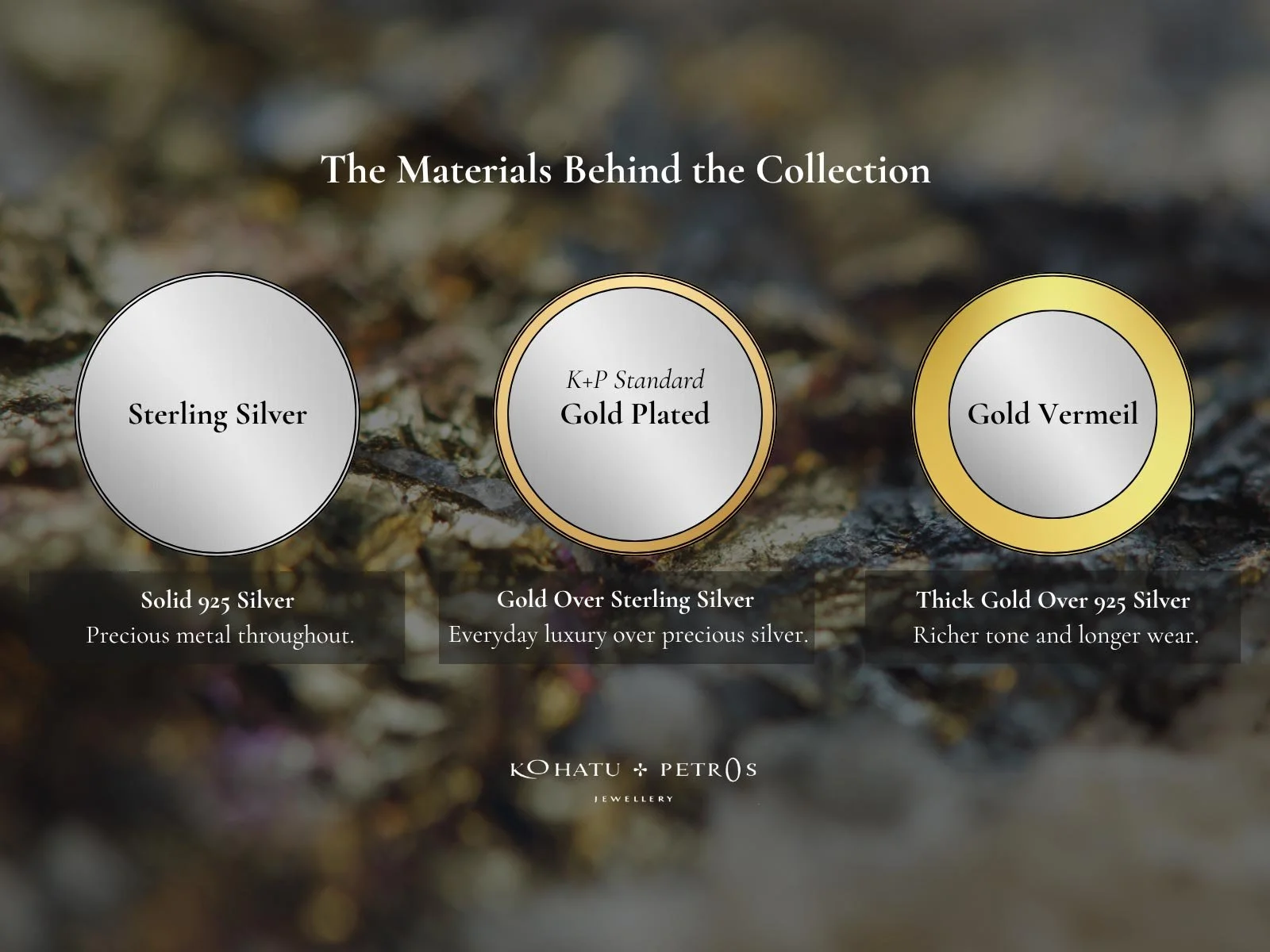
K+P Standard means every gold-plated piece is layered over solid 925 sterling silver — never brass, nickel or unknown base metals.
| Feature | Sterling Silver | Gold Plated | Gold Vermeil |
|---|---|---|---|
| Base Metal | Solid 925 Silver | 925 Sterling Silver (K+P Standard) | Solid 925 Sterling Silver |
| Gold Layer | None | Light gold plating | Thick gold layer (2.5+ microns) |
| Longevity | Excellent | Moderate | High |
| Wear Over Time | May naturally tarnish | Plating may soften over time | Designed for longer-lasting wear |
| Skin Friendly | Yes | Yes — always over sterling silver at K+P | Yes |
| Can Be Re-Plated | N/A | Yes | Yes |
| Best For | Everyday timeless wear | Accessible gold jewellery | Elevated long-term wear |
Shop the Kohatu + Petros Collection
The Kohatu + Petros collection is built around sterling silver and gold vermeil, paired with hand-selected semi-precious gemstones chosen for their colour, character and longevity.
Where gold-plated pieces are included, the base is always sterling silver, and I will always be transparent about the materials used and what you can realistically expect from them over time.
If something catches your eye and you’d like advice on materials, styling or choosing the right piece, I’m always happy to help.
That’s what I’m here for.
Explore the collection at Kohatu + Petros or get in touch directly at studio@kohatuandpetros.com.

About Varney
Kohatu + Petros founder Varney Polydor established the brand in 2006, combining a background in fashion, floristry and jewellery design with a lifelong appreciation for colour, texture and craftsmanship.
She personally hand-selects every gemstone used within the collection and works predominantly with sterling silver and gold vermeil, creating jewellery designed to feel timeless, wearable and lasting.
Frequently Asked Questions
-
Gold vermeil is sterling silver coated with a thick layer of real gold. To qualify as vermeil, the gold layer must be at least 2.5 microns thick and a minimum of 10 karats. Because the base metal is sterling silver rather than brass or copper, it is generally more durable and kinder to sensitive skin than standard gold-plated jewellery.
-
With proper care, gold vermeil can last for years. Longevity depends on the thickness of the gold layer, how frequently the piece is worn, and how carefully it is maintained. Avoiding moisture, perfume, chlorine and lotions will help preserve the finish for longer.
-
925 is the hallmark used for sterling silver. It confirms the piece contains 92.5% pure silver combined with other metals, typically copper, to improve durability.
-
They serve different purposes, but when gold plating is applied over sterling silver rather than base metals, the quality and longevity improve significantly. Even if the gold layer softens over time, the precious metal underneath remains intact and can often be re-plated.
-
The key differences are the base metal and the thickness of the gold layer. Gold vermeil must use sterling silver beneath the gold and meet minimum thickness requirements. Gold-plated jewellery can use almost any base metal and has no required plating thickness standard.