
How To Care For Your Gemstone Jewellery So It Lasts For Years
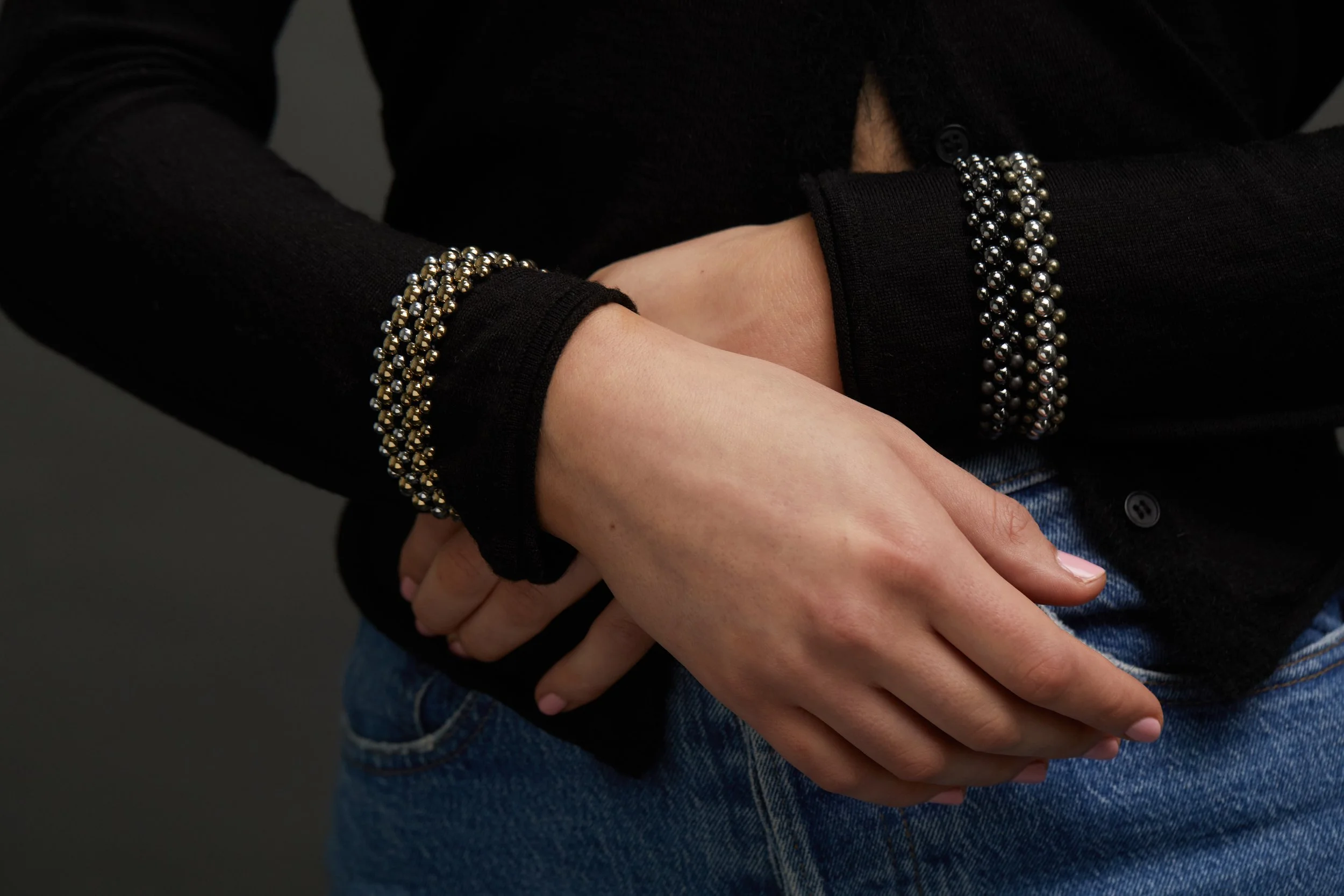
Gemstone jewellery is designed to be worn and passed down. Discover the simple daily habits to protect your pieces from everyday wear, chemicals and sunlight.
Learn how to store your items safely and clean them gently at home so your favourite stones and metals retain their beautiful lustre for decades.
Clients often ask me how to look after their pieces. It is one of my favourite questions, because it tells me they are thinking about jewellery the way I do: not as something to wear until it wears out, but as something worth keeping.
There is something quietly satisfying about a piece of jewellery you have worn for years that still looks the way it did on the day you first put it on. The colour of the stone is unchanged. The metal is still bright. The whole thing still feeling like yours.
That kind of longevity does not happen by accident. It is the result of buying well and looking after what you have.
I think about gemstone care from the moment I select the perfect stone. Every piece I make is designed to be worn and worn again. A few simple habits are all that stand between a piece that lasts decades and one that loses its lustre within months. Here is what I recommend.
Gemstones and water: keep them apart
Water itself is rarely the problem. Prolonged exposure to the chemicals in the water may cause issues. Chlorine from swimming pools is particularly harsh and can affect both the stone and the metal. Shower products, soaps and shampoos leave a film that builds up over time and dulls the surface of softer stones. The same goes for perfume and body lotion, which should always be applied before you put your jewellery on, not after.
The rule I follow is simple: jewellery goes on last and comes off first.
Storage matters more than most people realise
Gemstones can scratch each other. A tanzanite left loose in a jewellery box alongside a piece set with a harder stone will show the evidence over time. I always recommend storing pieces individually, wrapped in soft cloth or in separate compartments, to protect both the stone and the metal finish.
Keeping pieces away from direct sunlight is worth observing too. Some stones, particularly those with strong colour, can fade gradually with prolonged light exposure. A drawer or a lined jewellery box is preferable to a windowsill or a display tray left in a sunny room. I store my own pieces the same way. The ones I have had for twenty years still look exactly as they should.
Some stones need a little extra thought
Not all gemstones are equally hardy. Diamonds, sapphires and rubies sit at the harder end of the Mohs scale and will wear well with minimal fuss. Stones such as opal, pearl, turquoise and malachite are more porous and sensitive to acids, perfume and moisture. They reward careful handling and should be the first pieces you remove and the last you expose to anything chemical. For a full guide to individual stone properties, the Gemmological Association of Great Britain is a reliable reference.
Caring for gold, gold vermeil and sterling silver
Care of metals is equally important as gemstone care. Gold, gold vermeil and sterling silver all reward the same basic habits. Keep them away from perfume, lotions, soaps and chlorine, and remove pieces before you shower or swim.
Sterling silver may develop a gentle tarnish over time, which is entirely natural and easily lifted with a soft polishing cloth. Gold vermeil, where sterling silver is finished with a layer of gold, can be re-plated if the surface ever softens with wear.
All K+P gold pieces are built on a sterling silver base, which means the foundation of the piece remains sound whatever the surface does. The short version: the same care that protects your gemstones protects your metals too. Treat them gently, store them well, and they will last.
Getting further advice about jewellery care
If you are ever unsure about a piece, just ask. Knowing the stones you own and how to care for them is part of wearing jewellery well, and that kind of conversation is what I am here for. Contact me on 07767 317494, email studio@kohatuandpetros.com or complete the contact form for a call back. You can also find general care guidance on the Kohatu + Petros Jewellery Care page.
When to bring a piece back to me
If a clasp feels loose, a stone appears to have shifted, or the wire wrapping on a piece no longer sits flat, get in touch rather than continuing to wear it. Small issues caught early are almost always straightforward to address. Left too long, they rarely are.
I can assess any Kohatu + Petros piece, and gold-plated pieces can be re-plated when the finish needs refreshing. It is worth knowing that before you decide a piece has reached the end of its life.
Pieces made to last
I do not make jewellery for a season. The stones I select are chosen for their colour, tone and natural character, and a well-cared-for piece will still be wearable in twenty years. That, for me, is the point. And if a piece ever needs attention, I would far rather know about it than have it sitting unworn in a drawer. Browse the current collection and find pieces worth keeping.

About Varney
Kohatu + Petros founder Varney Polydor established the brand in 2006, combining a background in fashion, floristry and jewellery design with a lifelong appreciation for colour, texture and craftsmanship.
She personally hand-selects every gemstone used within the collection and works predominantly with sterling silver and gold vermeil, creating jewellery designed to feel timeless, wearable and lasting.
Frequently Asked Questions
-
It is better to remove it first. Shower products including shampoo, conditioner and soap leave a residue that builds up on both the stone and the metal over time. Chlorine in swimming pools is harsher still and can affect the finish of gold vermeil pieces in particular.
-
Store pieces individually where possible, in soft pouches or separate compartments in a jewellery box. Gemstones vary in hardness and can scratch one another if kept loose together. Keeping pieces away from direct sunlight also helps preserve the colour of stones over time.
-
Yes. Gold vermeil pieces can be re-plated, which restores the finish. All Kohatu + Petros gold pieces use sterling silver as the base, which means the structure of the piece remains sound even when the surface needs refreshing. Contact Varney directly to discuss re-plating.
-
Pearls, opals, turquoise and malachite are among the more sensitive stones and should be kept away from perfume, lotions and moisture as much as possible. Harder stones such as sapphires, rubies and diamonds are more forgiving in daily wear, though the same basic care rules apply across the board.
-
All Kohatu + Petros pieces are made with sterling silver as the base metal. Gold vermeil pieces are sterling silver with a gold layer on top, which means they respond well to gentle care and can be re-plated if the finish ever wears.
The enemy of both is chemicals, not wear. A piece worn regularly and stored properly will often look better than one left in a drawer, because natural skin oils provide a light protective layer. What damages sterling silver and gold vermeil is the same list that damages gemstones: perfume, chlorine, lotions and soaps.
For more on the differences between the metals I use at K+P, read Gold Vermeil, Gold Plated and Sterling Silver on the blog. The Goldsmiths' Company has further guidance on hallmarking and metal standards if you want to understand more.